


Packers vs. Vikings Prediction: NFC North Week 1 Test
Packers vs. Vikings: the verified Week 1 setup
Green Bay and Minnesota open their 2026 seasons with a high-leverage NFC North rivalry game Sunday, September 13, at U.S. Bank Stadium. Kickoff is scheduled for 3:25 p.m. Central on CBS. Both clubs begin 0-0, but the matchup carries more weight than an ordinary opener: each finished 9-8 or better in 2025, both expect to contend for the division, and their quarterback plans point toward a very different game from Minnesota’s reserve-heavy 16-3 win in last season’s finale.
The central question is whether Green Bay can keep Jordan Love comfortable while compensating for major absences among its established playmakers. Minnesota counters with Kyler Murray, whom the Vikings have installed as their starter, and a defense that was more dependable than its offense in 2025. Thursday practice reports do not settle every availability question, so this preview separates confirmed absences from players whose Friday designations remain pending.
2025 statistical baseline
The table uses 2025 regular-season totals from ESPN. It is a comparison baseline, not a forecast: coaching changes, personnel turnover and early-season health can alter how efficiently either team plays in 2026.
Green Bay’s offensive problem is concentration of opportunity
Green Bay’s 2025 offense offered the more efficient profile. The Packers scored 23.0 points per game, converted 48.8 percent of third downs and protected the football, allowing only seven interceptions while finishing plus-one in turnover differential. Love therefore enters the opener with a statistical foundation that supports controlled, possession-oriented football.
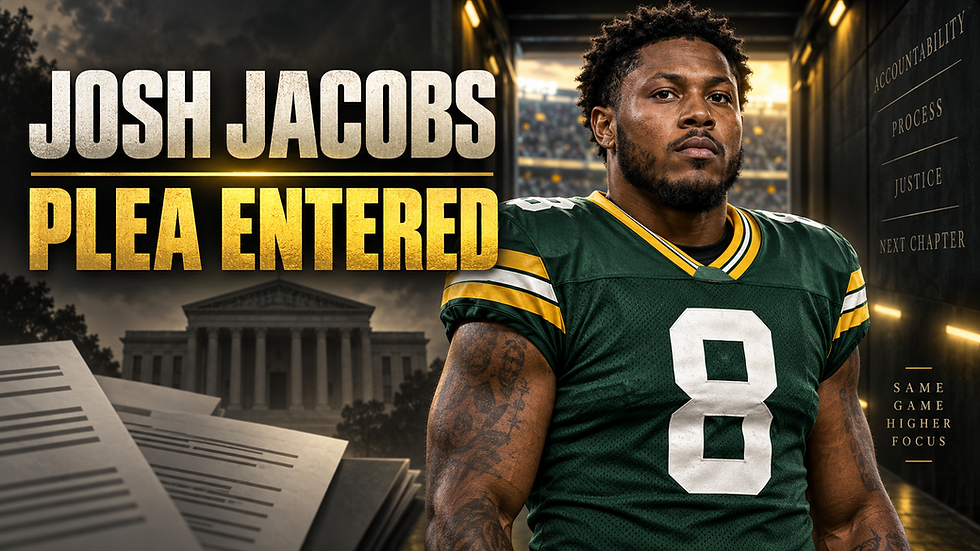
The uncertainty is who absorbs the high-value work. Josh Jacobs is on the Commissioner’s Exempt List, while tight ends Tucker Kraft and Luke Musgrave are on the physically unable to perform list. Those are structural absences rather than speculative injury calls. Green Bay may need to spread targets, lean on quick-game concepts and ask its available backs to win in protection before it can hunt explosive plays.
The offensive line and front-seven availability also bear watching. Green Bay listed Warren Brinson and Ty’Ron Hopper as nonparticipants Thursday. Aaron Banks, Javon Hargrave, Barryn Sorrell, Zach Bako-Bewele and Devonte Wyatt were limited, while Jordan Morgan progressed from limited work Wednesday to full participation Thursday. No final game designations had been issued when this preview was checked; Friday’s report is the next authoritative checkpoint.
Minnesota can win by making the game uncomfortable
Minnesota’s 2025 defense allowed 19.6 points per game and produced 49 sacks. That combination matters against a Green Bay offense adjusting to missing proven skill-position options. The Vikings do not need to blitz recklessly; simulated pressure, late safety rotation and disciplined tackling can force Love to sustain longer drives without the familiar answers that Jacobs and the injured tight ends normally provide.
The Vikings’ offensive baseline was less convincing. They averaged 20.2 points, converted only 31.8 percent of third downs and finished minus-nine in turnover differential. Murray’s mobility changes the geometry of the game, but it does not automatically erase those possession problems. Minnesota’s cleanest path is to avoid obvious passing downs, use motion to identify coverage and let Justin Jefferson dictate where Green Bay commits help.
Minnesota’s Thursday injury report was comparatively light. Jakobe Thomas, Jacob Thomas and Caleb Tiernan were limited, and no established offensive or defensive starter carried a listed designation on that report. That is encouraging, but a Thursday listing is not a guarantee of Sunday availability. Final statuses are due after Friday practice.

Three matchups that decide the game
1. Jordan Love against Minnesota’s pressure disguise
Minnesota’s 49 sacks in 2025 show that its defense can finish pressures. Green Bay’s answer should begin before the snap: formation variation, motion and protection calls that keep a free rusher from appearing inside. If Love reaches third-and-manageable, the Packers’ 2025 conversion rate suggests they can sustain drives. If early-down failures repeatedly create third-and-long, Minnesota can control the menu.
2. Kyler Murray outside structure
Green Bay must rush with lane integrity. Murray is most dangerous when an edge rusher loses contain and man coverage turns its back to the quarterback. The Packers can live with short scrambles if they prevent explosive improvisational plays. Their best result is to compress the pocket without opening a clean escape route.
3. Red-zone execution without familiar Packers finishers
Green Bay’s missing back and tight-end options become especially important inside the 20, where space disappears and contested catches, protection and short-yardage decisions matter. Minnesota can force field goals by winning first down and tackling immediately. The Packers can answer with quarterback movement, layered route combinations and four-down decisions when the situation supports them. Current 2026 red-zone rates do not exist before Week 1, so any stronger claim would be false precision.
Fantasy football consequences
Love remains usable in one-quarterback leagues, but the surrounding absences lower the confidence range. His strongest path is passing volume and efficiency rather than touchdown certainty. Murray’s rushing ability gives him a ceiling that Minnesota’s 2025 passing numbers alone do not capture, although Green Bay’s coverage plan and the Vikings’ offensive-line execution determine how often he can attack downfield.
Jefferson is the most stable fantasy starter in the game. Volume and defensive attention can coexist; the key question is whether Murray can deliver catchable targets before pressure arrives. Green Bay’s available backs and tight ends are more volatile. Managers should treat projected workload as a range until inactive lists and the first drive clarify the rotation.
For prop-market readers, avoid converting uncertainty into certainty. Green Bay’s backfield and short-area target shares could move sharply after Friday designations and Sunday inactive lists. Football Nation’s existing market report is useful context, but the final roster information should govern any last decision.
Native matchup update
The public X post below is embedded natively for current matchup context.
Football Nation prediction
Confirmed facts favor Minnesota’s defensive continuity and home setting; the analytical edge comes from how concentrated Green Bay’s missing offensive roles are. Love is capable of keeping the Packers on schedule, and Green Bay’s 2025 third-down efficiency is the best single offensive number in the matchup. But Minnesota can pressure without selling out, place the burden on replacement skill players and give Murray enough short fields or extra possessions to tilt a close game.
This is not a forecast of an easy Vikings win. Green Bay protected the ball much better last season, and one Murray turnover could reverse the matchup. The pick assumes Minnesota’s Thursday health advantage largely holds through Friday and that its defense prevents the Packers from finishing enough drives with touchdowns.
Prediction: Vikings 23, Packers 20.
What could change the pick: a late Minnesota offensive-line absence, a major upgrade in Green Bay’s available pass-catcher group, or evidence that the Packers have a stable short-yardage plan despite the Jacobs and tight-end absences. Final injury reports and Sunday inactive lists are the last checks.
Verified team hubs
Sources checked September 10, 2026: NFL schedule; official Packers and Vikings injury reports; ESPN 2025 team statistics; Football Nation’s current related coverage; and the Wikimedia Commons file page and license record.


Comments