


What Is IDP in Fantasy Football? Scoring, Positions and Draft Strategy
Updated: Sep 8
The direct answer: IDP stands for individual defensive player. In an IDP fantasy football league, managers draft and start real defenders—usually defensive linemen, linebackers and defensive backs—instead of relying only on one team D/ST. The best strategy is to read the scoring and lineup settings before ranking any player, then favor defenders with secure every-down roles over famous names who depend on rare sacks or interceptions.
IDP can make a fantasy league deeper and more connected to the entire NFL. It can also punish managers who import offensive-fantasy assumptions into a format where position labels, tackle scoring and starter counts vary dramatically.

How IDP differs from D/ST
A normal D/ST roster spot treats an NFL defense and special-teams unit as one fantasy asset. The lineup gets points from team-level events such as sacks, takeaways, defensive touchdowns and, depending on the platform, points or yards allowed.
IDP separates that production. A linebacker can score for tackles and a forced fumble; a defensive end can score for a sack; a safety can score for a pass defended or interception. ESPN lists individual defensive players as a custom scoring category, and Yahoo’s official scoring glossary includes solo tackles, assisted tackles, tackles for loss, sacks, interceptions, passes defended, forced fumbles and recoveries among its defensive-player categories.
Some leagues use both systems, starting a D/ST plus several individual defenders. Others remove D/ST completely. There is no universal IDP lineup, which is why “check the settings” is more than boilerplate advice.
The three main IDP position groups
Defensive line: DL, DE and DT
Defensive linemen often gain value from sacks, tackles for loss, quarterback hits and forced fumbles. Their fantasy production can be volatile because pressure does not always become a credited sack. A high snap share and consistent pass-rush opportunity usually provide a stronger foundation than one multi-sack game. Football Nation’s guide to what counts as a sack explains why the official stat is narrower than simply pressuring the quarterback.
Linebacker: LB
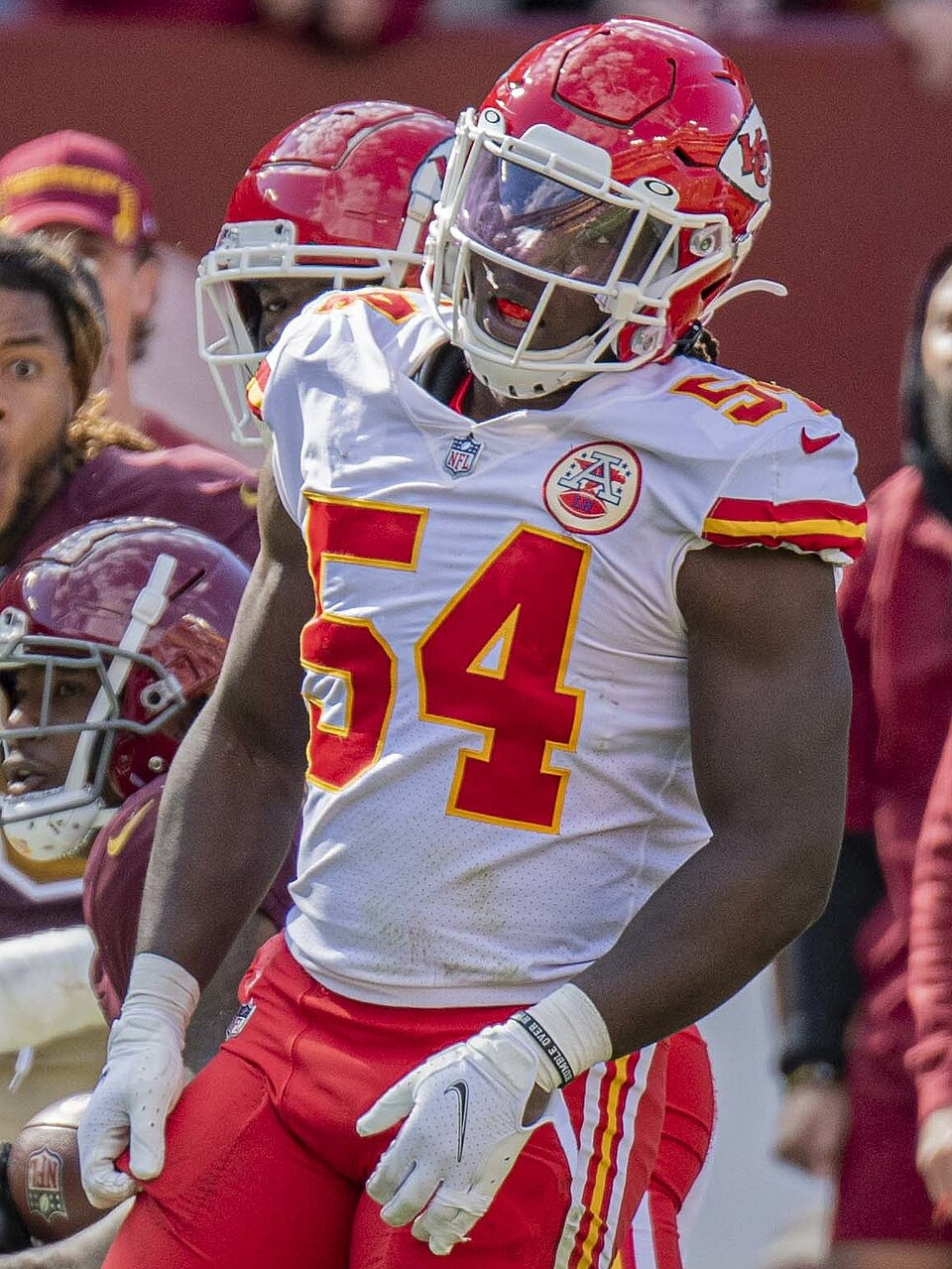
Linebackers are often the IDP floor position because every-down players can collect tackles against both the run and pass. The crucial phrase is every-down. A talented two-down run defender may leave the field in obvious passing situations, limiting both snaps and big-play opportunities. A player such as Nick Bolton is an IDP question because coverage responsibility affects playing time as well as the tackle floor.
Defensive back: DB, CB and S
Defensive backs create a counterintuitive challenge. Elite shutdown cornerbacks may see fewer targets, while a less dominant corner can receive more chances to make tackles or defend passes. Safeties aligned near the line of scrimmage often have steadier tackle opportunities than deep-only players. Position-specific requirements matter: a league that separates cornerback and safety is different from one flexible DB slot.
Why lineup size changes draft value
Consider a 12-team league that starts two DLs, two LBs and two DBs. That format requires 72 defensive starters every week before any IDP flex spots or bench players are counted.
IDP slot | Starters per team | League-wide starters in 12 teams |
|---|---|---|
DL | 2 | 24 |
LB | 2 | 24 |
DB | 2 | 24 |
Total | 6 | 72 |
That simple math explains why shallow rankings can mislead. A league with one generic defensive-player slot may allow managers to wait until the end of the draft. A six- or eight-starter IDP format creates meaningful scarcity and rewards managers who understand position tiers.
Scoring settings matter more than consensus rankings
There is no safe IDP ranking without a scoring key. Tackle-heavy scoring rewards volume and role stability. Big-play scoring boosts sacks, interceptions, forced fumbles and defensive touchdowns. Balanced systems try to keep both paths viable.
Managers should also check whether categories stack. Sleeper’s official tackle guidance warns that a general tackle value can stack with solo tackles, assisted tackles, tackles for loss or sacks if a commissioner assigns values to overlapping fields. A league can unintentionally double-count production. That is why two platforms—or even two private leagues on the same platform—can produce very different player values.
Position eligibility is another checkpoint. ESPN says the league manager cannot simply change a player’s primary position, although additional eligibility can be added when circumstances warrant it. Edge defenders labeled LB on one platform and DL on another may have radically different scarcity value.
How to draft IDP without reaching too early
First, count defensive starters and compare that number with the offensive lineup. If the league starts only one or two IDPs, wait and prioritize scarce offensive roles. If it starts six or more defenders, build position tiers and draft the last reliable every-down option before a tier empties.
Second, target snaps before highlights. Look for stable playing time, clear assignments and roles that create repeatable events. Linebackers need routes-to-the-ball; linemen need pass-rush chances; defensive backs need a combination of tackle access and target opportunity.
Third, draft for the actual scoring system. In tackle-heavy leagues, do not pay only for last season’s sack total. In big-play leagues, a low-ceiling tackle collector may be replaceable. Roster percentage can reveal market behavior, but it cannot correct for your league’s rules.
Fourth, preserve waiver flexibility. Defensive roles change quickly through injuries, packages and depth-chart decisions. The waiver wire and FAAB are often better places to chase a newly expanded role than the draft is to chase a familiar name.
The biggest IDP misconception
The biggest mistake is assuming the best real-life defender must be the best fantasy defender. Real football values coverage that prevents a throw, pressure that forces an incompletion and assignments that funnel a play to a teammate. Fantasy scoring only counts defined events. A less celebrated player can outscore a star because he plays more snaps or receives more tackle opportunities.
Football Nation verdict
IDP is worth playing when the league uses enough defensive starters and a transparent scoring system. Before drafting, verify position eligibility, count every required slot and test whether tackle categories stack. Then build around every-down roles. Names attract attention; snaps, scoring and scarcity win IDP leagues.


Comments