top of page

What Is a Squib Kick in Football? The Low-Bounce Kickoff Strategy Explained

A squib kick is a low kickoff deliberately driven or bounced along the field instead of being launched high and deep. The goal is usually to create an awkward pickup, force a blocker or upback to handle the ball, and let coverage arrive before the receiving team can organize a clean return. It is not an onside kick: the kicking team normally expects to give up possession and is trying to control the return.

The name describes the ball's low, skipping path rather than a separate rule. Under the NFL's current dynamic kickoff, a squib still has to satisfy the rules governing where a normal kickoff lands. That makes the modern version a precision tactic. The kicker wants the ball to reach the landing zone, bounce unpredictably and stay away from the most dangerous returner without handing the opponent premium field position.

How a squib kick works

The kicker strikes the ball so it travels with a low trajectory and reaches the ground early enough to produce multiple bounces. Because a football is pointed rather than round, its next hop is difficult to predict. A receiving player may have to slow down, change direction or field the ball away from his body. Those extra beats give the coverage team time to close space.

The target is often a gap between the primary returner and an upback. If the returner waits for the ball to reach him, the upback may become the closest player and must decide whether to secure it. If both players converge, communication becomes part of the challenge. The kick is successful when the receiving team gets possession but cannot turn the pickup into a clean, full-speed return.

Football Nation teaching diagram showing a squib kickoff bouncing low toward the NFL landing zone between an upback and a returner while coverage closes.
A modern squib kick must combine an awkward low bounce with legal placement. The ideal path reaches the landing zone and forces a difficult pickup before the return can develop. Original Football Nation diagram.

Why teams use the tactic

The first reason is return control. A high kickoff gives the returner time to track the ball, settle under it and accelerate behind the blocking scheme. A squib can replace that clean setup with a scramble. If a less experienced ball handler fields it, the kicking team may also reduce the chance that an elite return specialist gets the ball in space.

The second reason is game clock. Late in a half or game, the clock begins when the receiving team legally touches the live kick in the field of play. A bouncing ball can make the receiving team spend time collecting it and completing the return. This is not automatic clock theft: the return team can secure the ball and get down quickly, and the field-position cost can outweigh a second or two. Coaches must compare the remaining time with what the opposing offense could do from a shorter field.

The third reason is variation. If every kickoff has the same depth and flight, the return team can build one consistent plan. A squib changes the returner's approach and the blockers' landmarks. Green Bay provided a clear NFL example when Brayden Narveson used a well-executed squib under the dynamic kickoff to pin Philadelphia deep. The clip shows the idea: the odd bounce, not surprise recovery, creates the advantage.

What the 2026 NFL rules change

The old image of a squib kick rolling through open grass does not fully describe today's NFL play. Players are aligned closer together under the dynamic format, and the normal kickoff has a defined landing zone from the receiving team's 20-yard line to its goal line. The NFL's 2026 rulebook keeps Rule 6 at the center of the decision.

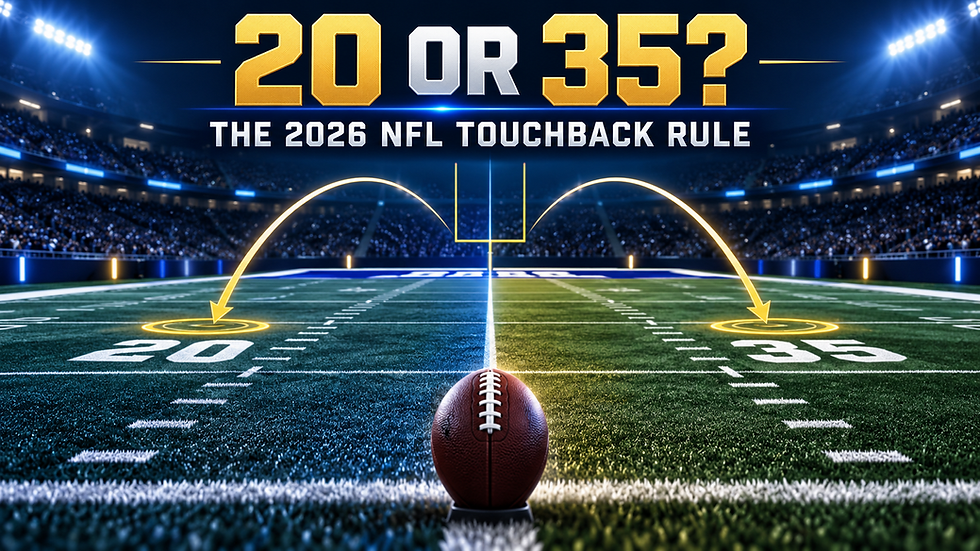
A normal kickoff that does not reach the landing zone or goes out of bounds between the goal lines can reward the receiving team with favorable placement options. A ball sent directly into or beyond the end zone can also create a touchback rather than the difficult return the kicking team wanted. The exact result depends on where the kick first lands, where it goes afterward and how the receiving team handles it. The strategic rule is simple: low and awkward is useful only when the placement remains legal.

The formation also limits the old head start for coverage. The coverage players cannot simply sprint downfield while the ball hangs in the air. Once the kick reaches the appropriate area or is touched as the rules permit, the play unfolds more like a compact scrimmage play. That puts an even greater premium on aiming the squib into a planned lane and maintaining coverage leverage.

Squib kick versus onside kick

A squib kick and an onside kick can both travel low, but their objectives are different. On an onside attempt, the kicking team is trying to recover the ball and must follow the NFL's declaration and setup rules. On a squib, the kicking team usually concedes possession and prioritizes a poor return. A receiving player should not assume that every low kick is an onside attempt; he must recognize the ball's depth, the formation and the coverage picture.

The two plays also create different risk calculations. A failed onside kick normally gives the opponent a short field by design. A failed squib can do the same accidentally if it falls short or exits the field illegally. Coaches call the squib when they believe return disruption or clock value is worth that placement risk, not because the kick offers a free chance to steal possession.

What the return team should do

Communication comes first. The primary returner should identify who has the best angle and warn teammates away once possession is clear. The nearest player must get his body behind the ball, expect a bad hop and secure it before thinking about the return. Trying to scoop the ball at full speed can turn a small strategic problem into a turnover.

Returners also need to understand that a typical squib has already touched the ground, so the normal airborne fair-catch solution may not be available in the same way. If the clock matters more than return yardage, possession and a quick end to the play can be the winning choice. If field position matters more, the unit can form a return around whichever player secured the ball—but only after the catch is safe.

The biggest misconception

The biggest misconception is that a squib kick is automatically safer than kicking deep. It reduces the chance of a conventional return, but it adds placement and ball-security variables. A clean bounce can travel directly to the star returner. A short kick can give the offense excellent field position. A ball that reaches the wrong part of the end zone can become a touchback. The tactic trades one set of risks for another.

It is also not the kickoff version of a perfect coffin-corner punt. Both plays use location to control a return, but a punt and a kickoff follow different possession, alignment and touchback rules. Viewers should judge the squib by its kickoff objective: legal placement, difficult pickup, controlled coverage and the offense's resulting starting spot.

Football Nation takeaway

When a kickoff stays low, watch three things before the return begins: where the ball first lands, which receiving player is forced to handle it and how quickly the coverage unit closes. A successful squib reaches the legal landing zone, produces an awkward but recoverable bounce for the receiving team, and ends before a dangerous return can form. The kick is not designed to look pretty or steal the ball. It is designed to make the next decision uncomfortable while keeping the rules and field-position tradeoff under control.

Comments


bottom of page