


The History of Fantasy Football
Updated: 7 hours ago
Fantasy football turns real player performances into points for an imaginary roster. Its enduring appeal is that a fan can manage a team, compete with friends and care about games beyond a favorite NFL club.
Part of Football 101. Explore the guide to choose your next topic.
The familiar modern game grew from a small experiment connected to the Oakland Raiders. The earliest organizing work and the first league season occurred in different years, a distinction often lost in short histories.
The idea and the first draft
In 1962, Raiders minority owner Bill Winkenbach, Raiders public relations official Bill Tunnell and sportswriter Scotty Stirling developed rules during a team road trip to New York.
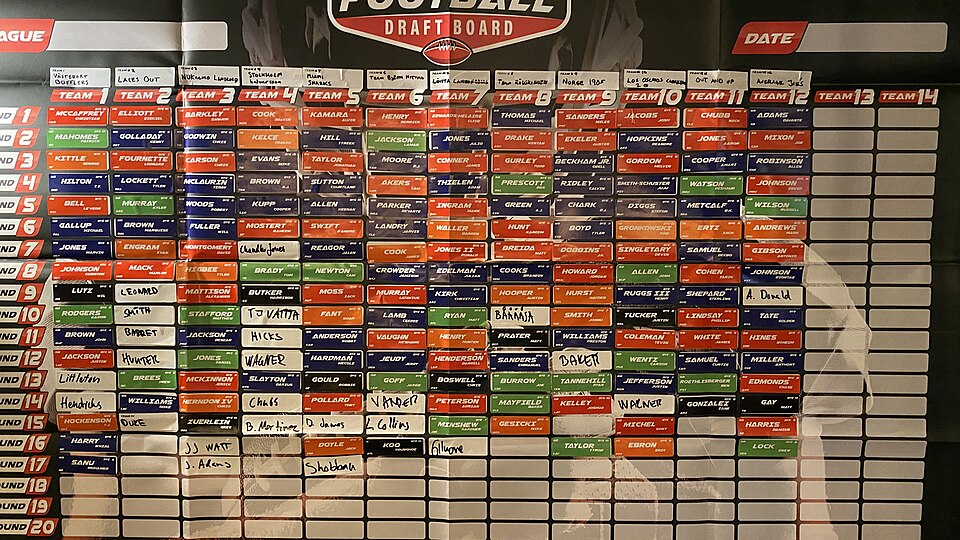
The Greater Oakland Professional Pigskin Prognosticators League held its first draft in August 1963 at Winkenbach’s home. Its original membership was closely connected to the Raiders and football media. George Blanda was its first selection.
The Pro Football Hall of Fame also credits Andy Mousalimas with bringing the format to a public league at the King’s X bar in 1969. That step helped move the game beyond its original private circle.
What technology changed
Early leagues required participants to gather results and calculate scores. Online services later automated much of that administration. Managers could see available players, submit lineups and follow scores without maintaining every total by hand.
Phones made those tasks accessible throughout the week. The central decisions remained familiar: draft a roster, choose starters and respond to changes in opportunity. Today’s roster construction principles still reflect those jobs.
One name, several formats
Redraft leagues begin with new rosters each season. Keeper and dynasty formats retain some or all players. Best ball formats usually determine the scoring lineup from roster results, while daily or weekly contests reset on a shorter schedule. Exact rules depend on the competition.
Scoring variations change what managers value. Receptions, passing touchdowns and lineup requirements can all affect strategy. Modern tools such as target share analysis add information, but do not eliminate uncertain roles or injuries.
Fantasy leagues can be free or involve entry fees. Their history should not be reduced to an assumption that sports wagering caused every stage of growth. The core innovation was giving fans their own player selection and scoring competition.
Examples and illustrations


Keep learning
Snaps and receiving routes: See how modern managers evaluate opportunity.
Building a roster: Put the game’s management decisions into practice.
NFL Draft history: Compare fantasy selection with real player allocation.
Browse the Football 101 collection.
Sources checked October 10, 2026. Pro Football Hall of Fame fantasy football history.


Comments