


Curl-Flat: The Quarterback’s Simple High-Low Read
Updated: Sep 13
The Curl-Flat concept pairs an outside receiver's curl route with an inside receiver or running back releasing to the flat. Both routes attack the same underneath coverage defender at different depths and widths. If that defender expands toward the flat, the quarterback throws the curl behind him. If he sits inside or gains depth under the curl, the ball goes outside to the flat.
The direct answer: Curl-Flat is a two-on-one horizontal stretch, not a single formation and not a guaranteed completion. Its value comes from giving the quarterback a simple movement key. One defender cannot fully cover both the intermediate curl window and the short outside flat at the same time, but the quarterback still must deliver the ball on schedule and account for the cornerback, pass rush and any late coverage rotation.

How the Curl-Flat concept is drawn
The outside receiver pushes vertically, often selling a deeper route before turning back toward the quarterback. Exact depth varies by system and situation, but the curl is commonly coached around the first-down marker or in the 10-to-12-yard range. The inside receiver, tight end or running back gets width quickly toward the sideline on an arrow, shoot or swing route.
The routes must maintain useful spacing. If the flat runner drifts too far upfield, the two receivers become easier for one defender to overlap. If the curl breaks too shallow, the route combination compresses. The offense wants one target outside and underneath, with the other target inside and behind the defender being read.

What the quarterback reads
The quarterback usually identifies the curl-flat defender before the snap, then confirms his movement after the snap. Against Cover 3, that player may be an outside linebacker, nickel defender or rolled-down safety responsible for the underneath area near the numbers. The quarterback's eyes and timing are tied to that defender's first meaningful movement.
If the defender widens immediately with the flat route, he vacates space behind him. The quarterback can hitch and throw the curl before a hook defender closes from inside. If the defender squeezes the curl or gains depth under it, the quarterback takes the easy completion in the flat and lets the receiver turn upfield. The ball should arrive before the sideline becomes an extra defender.
Why Curl-Flat works against zone coverage
Zone coverage assigns defenders to areas and route distributions rather than simply chasing one receiver everywhere. Curl-Flat attacks the border between two underneath areas. It forces the outside underneath defender to declare which space he will protect, while the quarterback throws into the space he leaves.
Against Cover 2, the corner may squat near the flat while a linebacker carries the curl window. That can change the quarterback's preferred answer or push him to another part of the concept. Against pattern-match rules, defenders can exchange routes instead of staying in static landmarks. Understanding pattern-match coverage explains why the read is not always as simple as choosing whichever receiver looks uncovered at the snap.
How offenses package the concept
Curl-Flat can be called to one side while the quarterback has a different answer on the opposite side. It can also be mirrored, placing the same two-route stretch on both sidelines. A common full-field family is Hank, which adds an inside sit route and can present five evenly spaced targets underneath.
USA Football's breakdown of the 2013 Denver offense describes Hank as mirrored Curl-Flat with a middle route, creating horizontal stress across the defense. The article also shows the concept from a Pistol alignment, which reinforces an important point: the route combination can travel between formations. Read the USA Football Hank analysis.
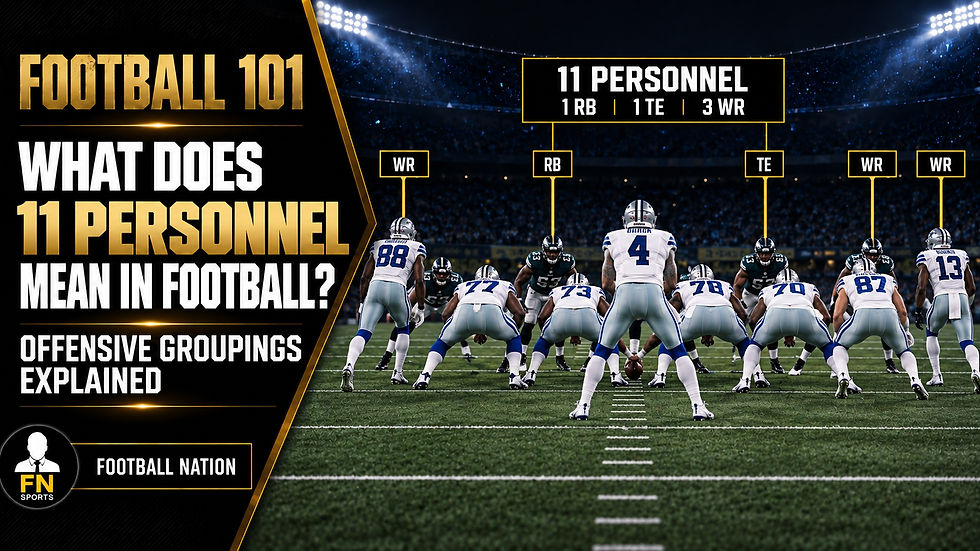
Teams can run Curl-Flat from empty, under center or shotgun. They can use 11 personnel and assign the flat route to a tight end, slot receiver or running back without changing the core read. They can also show it from the Pistol formation after a run fake, making the underneath defender honor the backfield before he expands.
What changes against man coverage
Against man coverage, the zone stretch becomes less important because defenders may follow the two receivers separately. The curl receiver must create separation at the break, and the flat runner must win with speed, leverage or traffic. The quarterback may prefer a matchup elsewhere rather than forcing the original zone answer.
Closely spaced routes can create natural traffic, but the offense cannot turn that traffic into an illegal pick. That is why the distinction in Football Nation's guide to pick routes and offensive pass interference matters. Receivers must run legitimate routes rather than deliberately block defenders downfield.
The strongest defensive answer
The defense wants to disrupt timing and avoid leaving one player isolated in an impossible two-on-one. A corner can drive downhill on the curl, an inside defender can overlap the throwing window, or the coverage can pass the flat route to another defender. Pattern matching, press technique and disguised rotations can make the quarterback hesitate long enough for the rush to arrive.
NFL.com once described Flat-Curl/Seam-Seal as a staple pattern that Philadelphia anticipated and disrupted with coverage and pressure. That example is a useful reminder: a sound concept still loses when the defense recognizes the tendency, crowds the window or affects the passer. See the NFL.com play breakdown.
Common Curl-Flat mistakes
The most common receiver mistake is collapsing the spacing. The flat route must gain width, and the curl must push deep enough to threaten the defender before returning to the ball. The most common quarterback mistake is waiting for a receiver to look completely open. The read is about leverage and movement; waiting for visual confirmation can make an on-time throw late.
Another misconception is that Curl-Flat is only a short-yardage call. The flat route is short, but the curl can attack near the sticks, and the concept can be paired with deeper routes. Unlike Four Verticals, it does not primarily stretch safeties downfield. Its first job is to widen an underneath defender and create an efficient answer.
Football Nation takeaway
When you see Curl-Flat, focus on the defender between the two routes. Does he widen with the flat runner, stay inside under the curl, or exchange responsibilities with another defender? That movement tells you where the quarterback should go. The concept endures because it turns a complicated coverage picture into one practical question: which of the two spaces can one defender not protect?


Comments